
 EN
EN
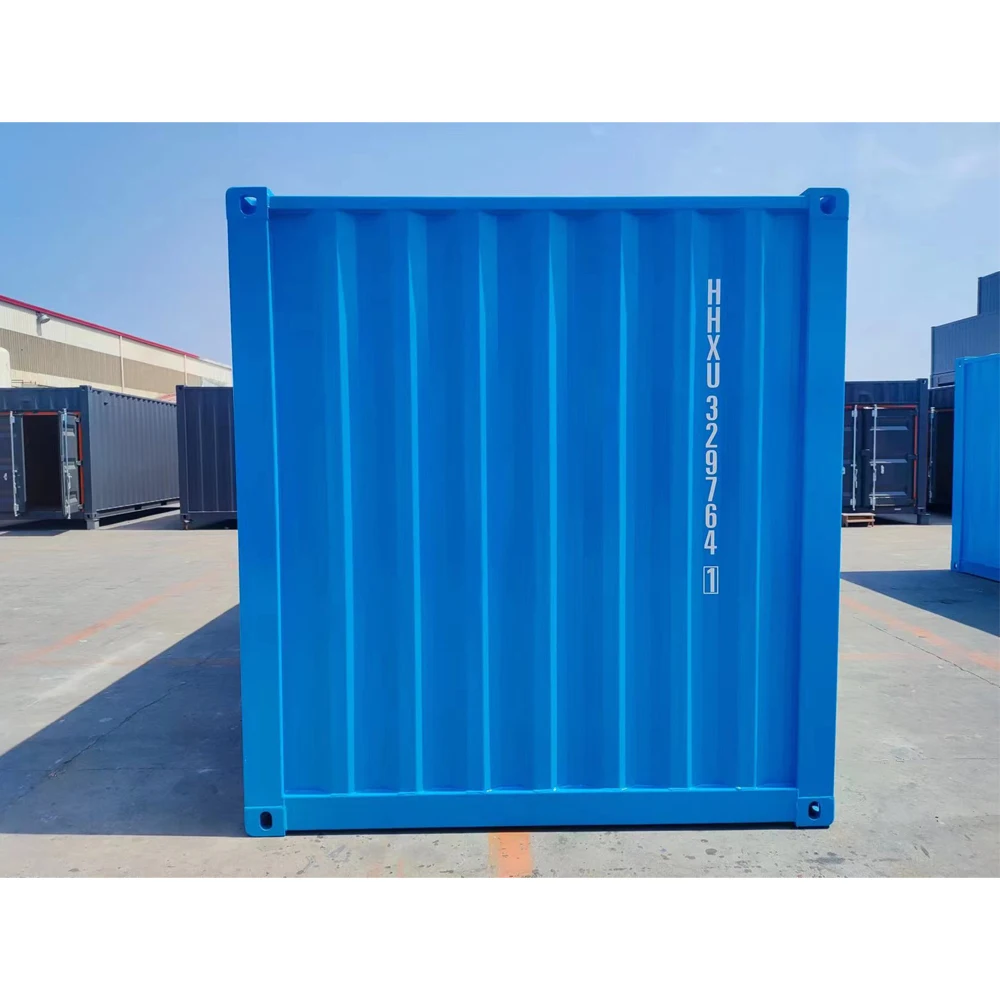
20-foot shipping container homes are an innovative and economical solution for various housing needs. These modular structures balance cost and function, providing a sturdy and versatile living space suitable for different applications, from residential use to temporary accommodations. As B2B buyers, purchasing managers, or project engineers, your primary concerns may include understanding the specifications, evaluating suppliers, and ensuring a smooth installation process. This article will guide you through selecting the right shipping container, evaluating key specifications, finding reliable prefab house shipping container suppliers like March House, and understanding the installation process and applications across industries.
How to Choose the Right 20 Foot Shipping Container for Your Project?
Selecting the right 20-foot shipping container for your project involves considering several factors that directly impact cost and functionality. First, determine the intended use of the container. Will it serve as a permanent residence, a temporary office, or a site for storage? Each application may require different features, such as insulation for residential use or ventilation for offices.
Next, evaluate the condition of the container. Containers can be new, refurbished, or used, with new containers offering higher durability and fewer repairs needed. However, refurbished containers can be a cost-effective alternative if they meet your specifications. When assessing a container, check for structural integrity, including rust, dents, and functionality of doors.
Additionally, consider customization options. Depending on your project's requirements, you may need to modify the container for windows, doors, or internal partitions. Manufacturers like March House (Qingdao) Co., Ltd. can provide insights into customization capabilities, which can streamline the design process.
Key Specifications to Evaluate in 20 Foot Shipping Container Homes
When evaluating 20-foot shipping container homes, several key specifications should be closely examined:
Dimensions: Standard external dimensions for a 20-foot container are approximately 20 feet in length, 8 feet in width, and 8.5 feet in height. Verify that these dimensions fit your site requirements, especially for access and zoning regulations.
Material and Structure: Containers are typically made from steel, providing strength and durability. Assess the gauge of the steel; a thicker gauge often indicates better resistance to external elements.
Weight Capacity: Check the maximum payload capacity, which typically ranges from 28,000 to 30,000 pounds. Ensure this capacity aligns with your intended use, especially if heavy materials will be stored or transported.
Insulation and Ventilation: For residential applications, insulation is crucial for energy efficiency and comfort. Evaluate the insulation materials used and consider additional ventilation options to prevent moisture buildup.
Sealing and Weatherproofing: Ensure that the container is properly sealed to prevent water ingress, especially if it will be used in areas prone to heavy rainfall or flooding.
Compliance: Confirm that the container meets local building codes and regulations, which may vary by region or country.
These specifications not only affect the functionality and comfort of the container home but also influence the overall cost and long-term performance.
Where to Find Reliable Suppliers for Shipping Container Homes?
Finding a reliable supplier for shipping container homes is critical for ensuring quality and timely delivery. Start by researching manufacturers with a strong reputation in the industry. Look for companies like March House (Qingdao) Co., Ltd., known for their complete production facilities and quality assurance processes.
Consider the following steps when evaluating suppliers:
Check References: Request references from previous clients to gauge their satisfaction with the supplier's products and services.
Visit Facilities: If possible, visit the manufacturing facilities to observe the production process and equipment. This can provide insight into their capabilities and commitment to quality.
Request Samples: Before committing to a large order, request a sample container to inspect the quality and specifications firsthand.
Evaluate After-Sales Service: Reliable suppliers should offer comprehensive after-sales support, including installation guidance and warranty services.
Compare Quotes: Obtain quotes from multiple suppliers and compare not just the prices but also the specifications and services included.
By taking these steps, you can ensure that you partner with a March House shipping container homes prefabricated supplier who meets your project’s requirements and standards.
Installation Guidance for 20 Foot Shipping Container Home Projects
Proper installation of a 20-foot shipping container home is essential for maximizing its functionality and longevity. Here are key steps to consider during the installation process:
Site Preparation: Ensure the installation site is level and stable. This may involve grading the land or laying a foundation, depending on local building codes and the intended use of the container.
Transport Logistics: Work with your supplier to arrange for transportation. Containers are heavy and require specialized vehicles for delivery. Confirm access routes and any necessary permits for transport.
Assembly: If your project involves multiple containers or custom modifications, plan the assembly process carefully. Ensure that any connections between containers, such as welding or bolting, are executed by experienced professionals.
Utility Connections: Plan for utility connections, including electricity, water, and sewage. This may require additional work, so consult with qualified contractors to ensure compliance with local regulations.
Final Inspection: After installation, conduct a thorough inspection to ensure that all aspects meet your specifications and that there are no leaks or structural issues.
Following these guidelines will facilitate a smoother installation process and help avoid common pitfalls that can arise during construction.
Applications of 20 Foot Shipping Containers in Various Industries
20-foot shipping containers are versatile structures with applications across multiple industries. Here are a few notable uses:
Residential Housing: Increasingly popular as affordable housing solutions, shipping container homes offer efficient living spaces that can be customized to meet diverse needs.
Temporary Offices: In construction or remote locations, containers can be converted into mobile offices, providing workspaces that are easy to transport and set up.
Storage Solutions: Used as secure storage units, containers provide a weatherproof solution for excess inventory or equipment.
Retail Spaces: Some businesses have successfully transformed shipping containers into pop-up shops or restaurants, capitalizing on their mobility and unique aesthetic.
Emergency Shelters: Containers can be repurposed as disaster relief shelters, providing quick, deployable housing solutions in the aftermath of natural disasters.
Understanding these applications can help you identify the best use cases for your project and guide your purchasing decisions. By leveraging the strengths of March House 20 ft shipping container house, you can meet various functional needs while maintaining cost-effectiveness.
Table of Contents
- How to Choose the Right 20 Foot Shipping Container for Your Project?
- Key Specifications to Evaluate in 20 Foot Shipping Container Homes
- Where to Find Reliable Suppliers for Shipping Container Homes?
- Installation Guidance for 20 Foot Shipping Container Home Projects
- Applications of 20 Foot Shipping Containers in Various Industries