
 EN
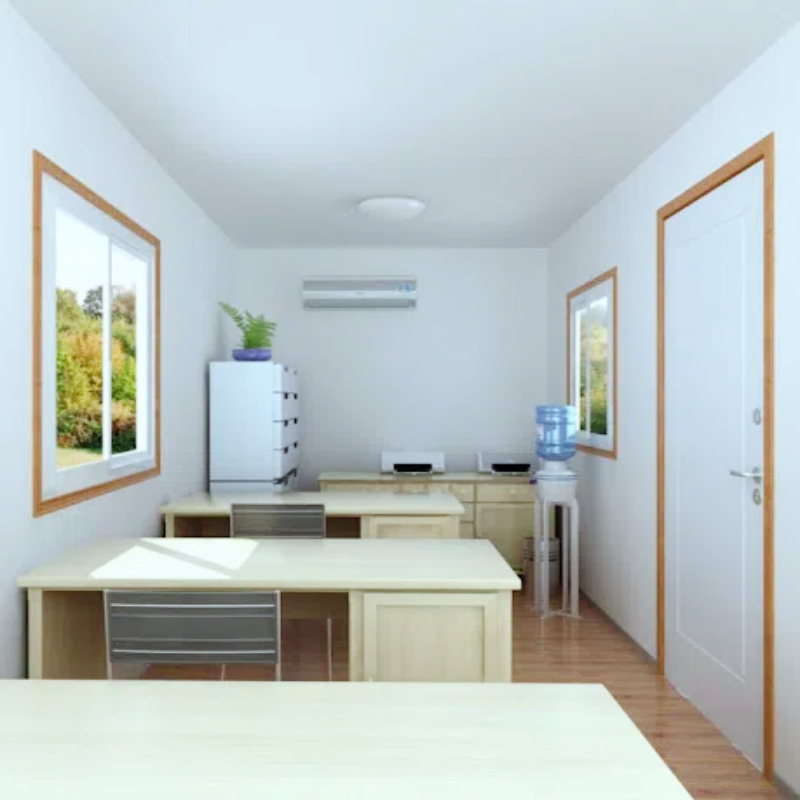
A construction site container office is a practical and efficient solution that enhances on-site management by providing a dedicated space for administrative tasks, meetings, and staff accommodations. These modular units are designed to streamline operations, improve coordination among teams, and ensure effective communication on construction sites. We will explore the essential specifications when selecting a container office, how to find reliable suppliers, installation guidance, material advantages, and strategies for optimizing management in construction projects.
Key Specifications to Consider When Choosing Container Offices for Construction
When selecting a container office for construction purposes, several specifications should be considered to ensure it meets operational needs. Key factors include dimensions, layout, insulation, and access points.
Dimensions and Layout: The size of the container office should align with its intended use whether for a small team or larger groups. Standard sizes range from 20 to 40 feet, but custom dimensions can be requested to fit specific site requirements.
Insulation: Effective insulation is crucial for maintaining a comfortable working environment, especially in extreme weather conditions. Look for units with high-quality thermal insulation materials that can regulate temperature and reduce energy costs.
Access Points: Ensure that the design includes sufficient doors and windows for ventilation and accessibility. This is particularly important for safety and operational efficiency on busy construction sites.
Modular Features: Consider whether the office can be customized with partitions, electrical outlets, and ventilation systems to cater to specific project needs. This flexibility can significantly enhance functionality.
By focusing on these specifications, purchasing managers can ensure they select a container office that enhances productivity and meets the unique demands of their construction projects.
Finding Reliable Suppliers for Container Office Solutions
Identifying trustworthy suppliers for container office solutions is essential for ensuring quality and reliability. Start by evaluating suppliers based on their experience, production capabilities, and customer feedback.
Experience and Reputation: Choose suppliers with a proven track record in the modular housing industry. Companies like March House (Qingdao) Co., Ltd. boast extensive experience in design and manufacturing, which is crucial for ensuring product quality and timely delivery.
Production Capabilities: Assess the supplier's production facilities, including molding, welding, and assembly workshops. A supplier with advanced manufacturing capabilities is more likely to produce high-quality container offices that meet industry standards.
Customer Support and After-sales Service: Reliable suppliers should offer comprehensive after-sales support, including installation guidance and maintenance advice. This service can prevent issues and enhance the longevity of the container office.
Certifications and Compliance: Verify that the supplier adheres to local and international building codes and safety regulations. Certifications can provide reassurance of the product's quality and safety.
By carefully vetting suppliers, purchasing managers can ensure they receive a dependable product that meets their project requirements.
Installation Guidance for Efficient Setup of Container Offices on Site
Proper installation of container offices is critical for maximizing their functionality and safety on construction sites. Here are some essential tips to ensure an efficient setup:
Site Preparation: Before installation, ensure the site is clear and level. This preparation will facilitate proper placement and stability of the modular container office.
Use of Equipment: Employ appropriate lifting equipment, such as cranes or forklifts, to position the container office safely. This minimizes the risk of damage during the installation process.
Utilities Connection: Plan for the connection of utilities, such as electricity, water, and sewage, before placing the container. Proper planning can avoid delays and additional costs.
Inspection and Quality Check: After installation, conduct a thorough inspection to ensure the container office meets all specifications and is free from defects. This step is crucial for ensuring a safe and functional workspace.
By following these guidelines, project managers can ensure that container offices are installed effectively, contributing to improved on-site management.
Material Advantages of Container Offices for Durable On-Site Management
The materials used in constructing container offices play a significant role in their durability and performance. Key material advantages include:
Steel Construction: Most container offices are made from high-strength steel, which provides excellent structural integrity and resistance to harsh environmental conditions. This durability ensures that the office can withstand the rigors of a construction site.
Weather Resistance: Quality container offices are treated to resist corrosion and fading, ensuring longevity even in extreme weather. This resilience minimizes the need for frequent repairs or replacements.
Insulation Materials: Advanced insulation materials not only enhance thermal efficiency but also improve soundproofing, creating a more pleasant working environment. This feature is particularly beneficial in noisy construction areas.
Eco-Friendly Options: Many manufacturers offer eco-friendly materials and finishes, appealing to companies looking to enhance their sustainability efforts. This consideration can improve a company's reputation and compliance with environmental standards.
Understanding these material advantages enables purchasing managers to select container offices that will provide durable and effective solutions for on-site management.
Optimizing Management in Construction Projects
Container offices can significantly enhance management efficiency in construction projects through strategic use and planning:
Centralized Communication: By providing a dedicated workspace for project managers and teams, container offices facilitate better communication and coordination among staff, which is vital for successful project execution.
Real-Time Updates: With the ability to equip container offices with technology such as computers and communication systems, teams can access real-time project updates, improving decision-making and responsiveness.
Document Management: Modern container office can serve as central locations for project documentation, ensuring that all team members have access to critical information, plans, and schedules.
Safety and Compliance: Having a designated office space allows for better oversight of safety protocols and project compliance, reducing risks associated with construction operations.
By strategically utilizing container offices, companies can optimize their management processes, leading to more efficient project execution and improved overall performance.
Construction site container offices are invaluable assets that enhance on-site management. By understanding the critical specifications, finding reliable suppliers, ensuring proper installation, recognizing material advantages, and optimizing management strategies, purchasing managers can make informed decisions that lead to successful construction projects.
Table of Contents
- Key Specifications to Consider When Choosing Container Offices for Construction
- Finding Reliable Suppliers for Container Office Solutions
- Installation Guidance for Efficient Setup of Container Offices on Site
- Material Advantages of Container Offices for Durable On-Site Management
- Optimizing Management in Construction Projects