
 EN
EN
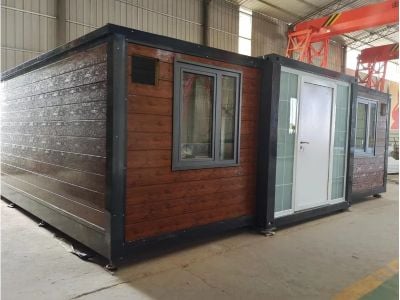
Container homes are rapidly gaining popularity, combining affordability with modern aesthetics to meet the housing needs of various buyers, from individual homeowners to large-scale developers. As a leading modular housing enterprise, March House (Qingdao) Co., Ltd. specializes in producing high-quality container homes that ensure timely delivery without compromising on style or function. This article will explore the specifications, cost factors, quality control measures, and common issues associated with container homes, providing valuable insights for purchasing managers, project managers, and other industry professionals.
Comparing Container Home Specifications for Your Project Needs
When evaluating container homes, key specifications must be considered to ensure they meet your project requirements. Common specifications include dimensions, material thickness, insulation properties, and structural integrity.
Dimensions: Standard container sizes typically range from 20 to 40 feet in length. The choice of size impacts both transport costs and usability. For larger projects, multiple units can be combined to create more spacious living or working environments.
Material Thickness: The thickness of the steel used in the construction affects durability and insulation. A thickness of at least 2.5mm is often recommended to withstand environmental stresses.
Insulation Properties: Quality insulation is essential for energy efficiency and comfort. Different insulation materials, such as foam or fiberglass, can be employed depending on the local climate and energy regulations.
Structural Integrity: Understanding the load-bearing capacity of a portable container homes is crucial. Ensure that the design accounts for local building codes and potential hazards such as earthquakes or high winds.
By confirming these specifications with your supplier, you can ensure that the container homes will effectively serve their intended purpose in your project.
Where to Find Reliable Suppliers of Container Homes in Bulk?
Finding a trustworthy supplier is critical when sourcing container homes in bulk. Look for manufacturers with a well-established reputation and proven production capabilities. March House (Qingdao) Co., Ltd. stands out due to its complete production facilities, which include molding, automatic welding, and assembly workshops.
Certifications: Verify any industry certifications the supplier holds, as these can indicate compliance with international quality standards.
Production Capacity: Evaluate the supplier's production capacity to ensure they can meet your order volume within your timeline. This is especially important for large-scale projects where delays can impact your overall schedule.
Customization Options: Assess the supplier’s ability to provide customized solutions that fit your specific design and functionality needs. This may include variations in layout, finishes, and additional features like plumbing and electrical work.
After-Sales Support: Reliable suppliers should offer robust after-sales service, including installation support and warranty coverage for their products.
Choosing a supplier that excels in these areas can significantly contribute to the success of your container home project.
Understanding the Cost Factors of Container Home Construction
The cost of constructing container homes can vary significantly based on several factors. Understanding these elements can help you budget appropriately.
Material Costs: The choice of materials for insulation, interior finishes, and exterior cladding can impact the overall cost. High-quality materials may incur higher upfront costs but can lead to long-term savings in energy efficiency and durability.
Design Complexity: More intricate designs that require additional modifications or customizations will generally increase labor costs and time. Simple designs tend to be more cost-effective.
Transportation: Consider the logistics of transporting container homes to the construction site. Shipping costs can vary based on distance, weight, and the number of units being transported.
Labor Costs: Depending on the location, labor costs can vary. Ensure to factor in the cost of skilled labor for installation and finishing work.
Site Preparation: The condition of the site where the customised shipping containers home will be placed can also affect costs. If significant grading or foundation work is required, this can add to the overall expense.
By carefully examining these cost factors, you can make informed decisions that align with your project budget.
Quality Control Measures in Container Home Manufacturing
Quality control is crucial in the manufacturing process of container homes to prevent defects and ensure reliability. March House (Qingdao) Co., Ltd. employs a variety of quality control measures throughout the production process.
Material Inspection: All incoming materials should undergo rigorous inspection to meet specified standards. This includes checking for defects in steel and ensuring insulation materials comply with performance criteria.
In-Process Quality Checks: Regular inspections during the manufacturing process can identify potential issues early. For instance, welding quality should be assessed at multiple stages to ensure structural integrity.
Final Product Testing: Before delivery, finished units should be subjected to comprehensive testing. This can include structural load tests, water resistance tests, and checks on electrical systems.
Documentation: Keep detailed records of quality control processes and results. This not only aids in compliance but also builds trust with clients who may be concerned about the quality of the final product.
Implementing these quality control measures can significantly reduce the likelihood of issues arising post-delivery, leading to higher customer satisfaction.
Common Problems with Container Homes and Effective Solutions
While container homes offer numerous advantages, they are not without challenges. Understanding common problems can help buyers prepare and mitigate issues effectively.
Rust and Corrosion: Container homes are typically made of steel, which can be prone to rust if not properly treated. Utilize high-quality protective coatings and ensure regular maintenance checks to prevent corrosion.
Insulation Issues: Some buyers may find that modify shipping container homes can become too hot or cold without adequate insulation. Choosing the right insulation material and ensuring proper installation can help maintain comfortable temperatures year-round.
Ventilation Problems: Poor ventilation can lead to moisture buildup and air quality issues. Ensure adequate windows and air circulation systems are integrated into the design to promote airflow.
Structural Limitations: Modifying containers for doors, windows, or additional rooms can compromise structural integrity if not done correctly. Work with experienced professionals to ensure modifications maintain the strength of the container.
By addressing these common issues proactively, buyers can enhance the longevity and functionality of their container homes. In summary, container homes represent a practical and aesthetic solution for various housing needs. Understanding the key specifications, finding reliable suppliers, evaluating cost factors, implementing quality control measures, and being aware of common challenges will empower buyers to make informed decisions in their purchasing process.
Table of Contents
- Comparing Container Home Specifications for Your Project Needs
- Where to Find Reliable Suppliers of Container Homes in Bulk?
- Understanding the Cost Factors of Container Home Construction
- Quality Control Measures in Container Home Manufacturing
- Common Problems with Container Homes and Effective Solutions