
 EN
EN
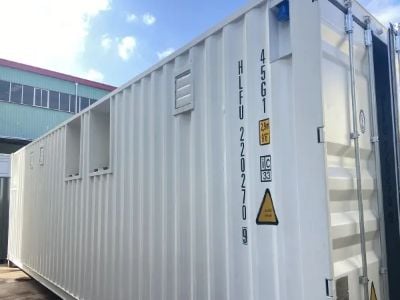
Shipping container apartment units are emerging as a viable solution for urban housing projects, addressing the growing demand for affordable and efficient living spaces in densely populated areas. As cities grapple with housing shortages, these modular units offer a unique alternative that combines sustainability, cost-effectiveness, and rapid deployment. This article explores how shipping container apartments meet urban housing needs, their key specifications, quality control measures in manufacturing, common challenges faced in projects, and various applications in urban development. By understanding these aspects, purchasing managers, property developers, and city planners can make informed decisions about incorporating customised shipping containers units into their projects.
How Shipping Container Apartments Meet Urban Housing Needs
Shipping container apartments provide a versatile housing solution that can be rapidly deployed in urban environments. These units are constructed from repurposed shipping containers, which are both durable and cost-effective. Their modular nature allows for flexible design options, enabling developers to create a variety of layouts that can adapt to different urban landscapes.
The use of shipping containers in urban housing projects addresses several key needs: affordability, sustainability, and speed of construction. Traditional building methods often involve lengthy timelines and high costs, while container units can be prefabricated off-site and delivered ready for assembly, significantly reducing construction time. Additionally, the materials used in these prefab house shipping container units often promote sustainability, as they repurpose existing structures and can incorporate energy-efficient technologies.
Moreover, shipping container apartments can be stacked or arranged in various configurations, maximizing land use in urban settings where space is limited. This adaptability allows developers to create multi-family housing, student accommodations, or even temporary housing solutions for displaced populations, all within the constraints of urban zoning laws.
Key Specifications for Shipping Container Apartment Units
When considering shipping container apartments, several key specifications must be taken into account to ensure they meet the necessary performance and safety standards. These include:
Dimensions: Standard shipping containers come in 20-foot and 40-foot lengths, with widths of 8 feet and heights of 8.5 feet (or 9.5 feet for high-cube containers). The choice of dimensions will depend on the intended use, available land, and building codes.
Materials: Containers are typically made from corten steel, which provides strength and weather resistance. The selection of insulation materials is vital for energy efficiency and comfort. Common insulation types include spray foam, fiberglass, and rigid foam boards.
Structural Integrity: The structural modifications needed to convert a shipping container into a livable apartment must be evaluated carefully. This includes reinforcement of the container walls, installation of windows and doors, and consideration of load-bearing capacities.
Utilities and Fixtures: Proper planning for plumbing, electrical systems, and HVAC units is essential. All installations must comply with local codes and standards to ensure safety and functionality.
Understanding these specifications helps buyers assess the suitability of shipping container apartments for their specific projects and ensures compliance with regulatory requirements.
Quality Control Measures in Shipping Container Manufacturing
Quality control is a critical aspect of manufacturing shipping container apartments to ensure safety, durability, and performance. March House (Qingdao) Co., Ltd. employs several quality control measures throughout the production process:
Material Inspection: All incoming materials, including steel and insulation, undergo thorough inspections to ensure they meet specified standards and are free from defects.
In-Process Quality Checks: Throughout the manufacturing process, routine checks are conducted to verify adherence to design specifications. This includes monitoring welding processes, assembly accuracy, and insulation installation.
Final Testing: Before delivery, each container unit undergoes comprehensive testing, including structural integrity assessments and utility system checks. This ensures that all components function correctly and meet safety requirements.
Post-Delivery Support: The company offers full after-sales service, allowing clients to report any issues and receive support for installations. This commitment to quality assurance helps build trust with buyers and reinforces the reliability of the product.
By implementing these quality control measures, manufacturers can ensure that shipping container apartments are built to last and meet the expectations of urban housing projects.
Common Challenges in Shipping Container Projects and Solutions
While shipping container apartments offer numerous advantages, there are common challenges that buyers and developers must navigate:
Zoning Regulations: Urban areas often have strict zoning laws that can complicate the placement of shipping container house units. Prior to project initiation, it is essential to conduct a thorough review of local regulations and seek necessary permits.
Site Preparation: The foundation and site must be adequately prepared to support the weight of the containers. This may involve excavation, grading, and laying a solid foundation, which can add to project timelines.
Climate Considerations: Containers can be prone to temperature fluctuations, making insulation crucial. Selecting appropriate materials and ensuring proper ventilation can mitigate issues related to heat retention and condensation.
Customization Limitations: While containers are adaptable, there are limitations to structural modifications. Buyers should work closely with manufacturers to understand the feasibility of their design ideas and ensure compliance with safety standards.
Addressing these challenges early in the project development phase can lead to smoother execution and better outcomes for urban housing initiatives.
Applications of Shipping Container Units in Urban Development
Shipping container units are versatile and can be adapted for various applications in urban development, beyond just residential housing. Some applications include:
Temporary Housing: These units can serve as quick solutions for emergency housing in disaster-stricken areas or for temporary worker accommodations during large construction projects.
Student Housing: Universities are increasingly using shipping containers to create affordable and efficient student accommodation options on or near campus.
Commercial Spaces: Retail establishments, cafes, and offices can be constructed using shipping containers, providing a unique aesthetic while maximizing space utilization in urban centers.
Community Centers: Shipping containers can be transformed into community spaces or recreational facilities, offering a low-cost way to provide services and gathering spaces for residents.
By understanding the diverse applications of shipping container units, developers can better assess their potential impact on urban environments and identify opportunities for innovative projects.
Shipping container apartment units represent a forward-thinking solution to urban housing challenges. With careful consideration of specifications, quality control measures, and potential challenges, urban planners and developers can leverage these unique structures to create sustainable, affordable, and adaptable housing solutions for growing populations.
Table of Contents
- How Shipping Container Apartments Meet Urban Housing Needs
- Key Specifications for Shipping Container Apartment Units
- Quality Control Measures in Shipping Container Manufacturing
- Common Challenges in Shipping Container Projects and Solutions
- Applications of Shipping Container Units in Urban Development