
 EN
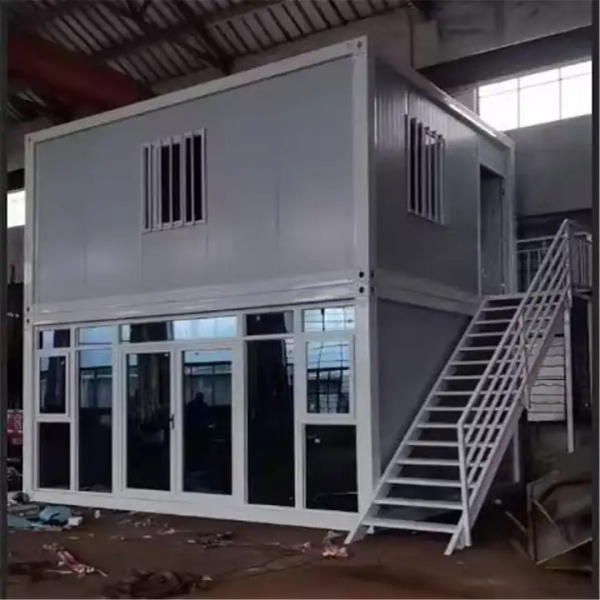
Mobile office containers are becoming essential for remote construction sites, providing a versatile and efficient workspace solution. These portable units not only serve as offices but also as meeting rooms, break areas, and storage spaces, all crucial for ensuring smooth operations in challenging environments. For purchasing managers and contractors, understanding the specifications, installation processes, and potential problems associated with mobile office containers can significantly influence decision-making. This article will delve into the key specifications, installation guidance, common issues, benefits of bulk ordering, and various applications of mobile office containers in the construction industry.
What Are the Key Specifications of Mobile Office Containers?
Mobile office containers are designed with specific features that cater to the unique demands of construction sites. Key specifications to consider include:
Dimensions and Layout: Commonly available in various sizes, typically ranging from 10 to 40 feet. The layout should accommodate the intended use, whether for individual offices or collaborative spaces.
Material Composition: Most containers are constructed from high-strength steel, ensuring durability and resistance to harsh weather conditions. Insulation materials are also crucial for maintaining comfortable temperatures inside.
Weight Capacity: The structural integrity should support the intended load, including furniture, equipment, and personnel. Buyers should inquire about the weight limits to ensure safety.
Ventilation and Climate Control: Proper ventilation systems and optional air conditioning units are vital for maintaining air quality and comfort, especially in extreme temperatures.
Electrical and Connectivity Options: Adequate wiring for lighting, power outlets, and internet connectivity is essential for a fully functional workspace. Confirming the availability of these features during the ordering process is advisable.
Understanding these specifications can help buyers select the right mobile office container that meets their specific operational needs while ensuring safety and compliance with local regulations.
Installation Guidance for Mobile Office Containers at Construction Sites
Proper installation of mobile office containers is critical to their functionality and safety. Here are key considerations for installation at construction sites:
Site Preparation: Before delivery, ensure the site is level and stable to support the container’s weight. This may involve clearing debris and, in some cases, laying a concrete foundation.
Placement and Orientation: The orientation of the container can impact its usability. Consider natural light and prevailing winds when positioning the unit to optimize comfort and efficiency.
Access and Security: Ensure that there are clear access points for personnel and equipment. Security features, such as locks and alarm systems, should be installed to protect the contents.
Utilities Connection: Depending on the container's features, connect necessary utilities, including electricity and water, before occupancy. This may require collaboration with local service providers.
Compliance with Regulations: Verify that installation adheres to local building codes and zoning laws. This can prevent costly fines and ensure the container is legally compliant.
By following these guidelines, contractors can ensure that mobile office containers are installed effectively, maximizing their utility in the construction environment.
Common Problems with Mobile Office Containers and Their Solutions
While portable office container offer numerous benefits, they may present some challenges. Here are common problems and their potential solutions:
Insufficient Insulation: Poor insulation can lead to uncomfortable temperatures inside. Buyers should verify the insulation specifications and consider additional insulating materials if necessary.
Water Leakage: Containers may experience water ingress if seals are not maintained. Regular inspections of seals and joints and applying weatherproofing treatments can prevent this issue.
Electrical Failures: Electrical systems may malfunction due to overloading or poor wiring. Contractors should ensure that electrical installations are performed by qualified professionals and conduct regular checks.
Structural Damage: Containers may sustain damage from environmental factors or improper handling. It is essential to educate staff on safe handling and transport practices to minimize risks.
Limited Space: Depending on usage, containers may feel cramped. Customization options, such as modular furniture or storage solutions, can help maximize available space.
Addressing these common issues proactively can enhance the longevity and performance of mobile office containers, ensuring they meet operational needs effectively.
Bulk Order Benefits for Mobile Office Containers for Contractors
Purchasing mobile office containers in bulk can yield several advantages for contractors:
Cost Savings: Bulk orders often come with discounts, significantly reducing the per-unit cost. This can be crucial for contractors managing tight budgets.
Consistent Quality: Ordering multiple units from the same manufacturer ensures uniformity in quality and specifications, simplifying integration into project planning.
Simplified Logistics: Coordinating the delivery of multiple units at once reduces logistical complexity and can streamline setup on site.
Customization Options: Suppliers may offer enhanced customization options for bulk orders, allowing contractors to tailor containers to specific project needs.
Improved Supplier Relationships: Establishing a bulk purchasing agreement can foster stronger relationships with suppliers, potentially leading to better service and support.
By leveraging these benefits, contractors can enhance project efficiency and effectiveness while managing costs.
Applications of Mobile Office Containers in the Construction Industry
Mobile office containers serve a variety of applications within the construction industry:
Site Offices: They act as central hubs for project management, providing space for meetings, documentation, and communication.
Break Rooms: Containers can be converted into comfortable break areas for workers, enhancing morale and productivity.
Storage: They can serve as secure storage units for tools, equipment, and materials, keeping valuable items safe from theft.
On-Site Training Centers: Containers can be utilized for training sessions, allowing for skill development and safety briefings without the need for off-site travel.
Temporary Housing: In remote locations, containers can be adapted for temporary living quarters for workers, providing necessary amenities for extended projects.
These diverse applications highlight the versatility of prefabricated office container, making them a valuable asset for construction projects across various environments.
By understanding the specifications, installation processes, and common challenges associated with mobile office containers, B2B buyers can make informed purchasing decisions that align with their operational needs.
Table of Contents
- What Are the Key Specifications of Mobile Office Containers?
- Installation Guidance for Mobile Office Containers at Construction Sites
- Common Problems with Mobile Office Containers and Their Solutions
- Bulk Order Benefits for Mobile Office Containers for Contractors
- Applications of Mobile Office Containers in the Construction Industry