
 EN
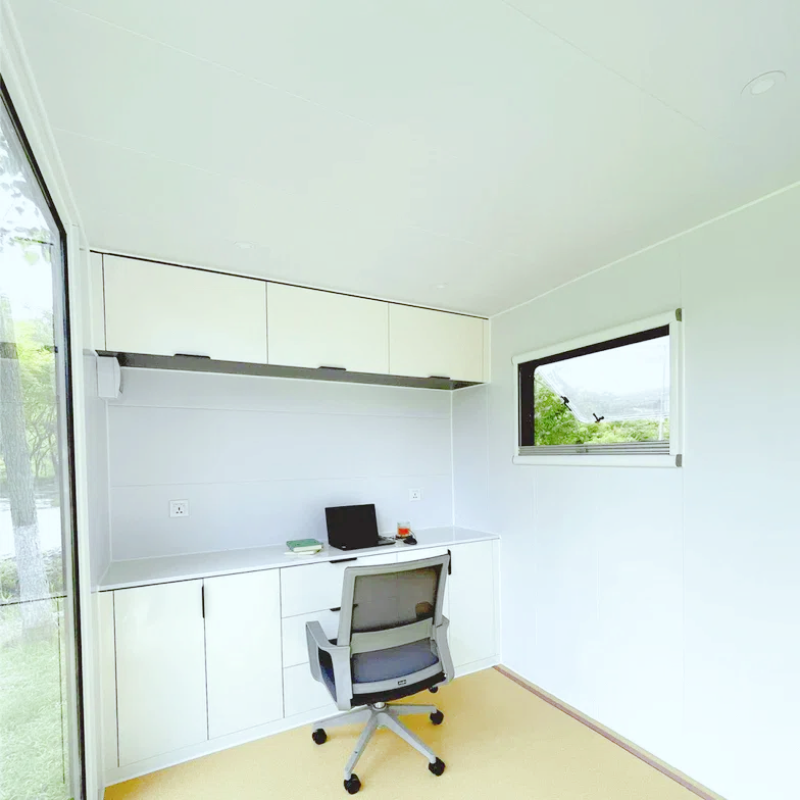
When disaster strikes, the need for rapid and effective housing solutions becomes paramount. Prefab portable homes have emerged as a popular choice for emergency relief housing due to their quick deployment, cost-effectiveness, and adaptability. This article explores why prefab portable homes are favored for disaster relief, addressing key specifications, evaluation criteria, installation guidance, common issues, and material advantages. Understanding these aspects will help purchasing managers and project coordinators make informed decisions when selecting housing solutions for emergency situations.
Top Specifications for Quality Prefab Portable Homes in Emergencies
When evaluating prefab portable homes for emergency relief, specific specifications are crucial to ensure they meet the demands of rapid deployment and durability. Key specifications include:
Material Quality: The materials used in construction must be robust and weather-resistant. Common choices include galvanized steel and high-density polyethylene, which provide durability and protection against the elements.
Insulation: Effective insulation is vital for maintaining a comfortable living environment in varying climates. Look for R-values that indicate thermal resistance, helping to regulate interior temperatures.
Size and Layout: Dimensions should be suitable for the intended use, whether for individual families or larger groups. Modular designs that allow for easy expansion or reconfiguration can enhance functionality.
Structural Integrity: The homes should be designed to withstand extreme weather conditions, including high winds and heavy rainfall. This is particularly important in disaster-prone areas.
Compliance and Certifications: Ensure that the homes meet local building codes and obtain necessary certifications, which may include safety and environmental standards.
These specifications directly impact the effectiveness of prefab portable homes in emergency scenarios, influencing both safety and comfort for occupants.
How to Evaluate Prefab Portable Homes for Disaster Relief Projects
Evaluating prefab portable homes involves a thorough assessment of several critical factors to ensure they are suitable for disaster relief projects. Here are essential steps to guide the evaluation process:
Request Detailed Specifications: Buyers should request comprehensive product specifications, including materials, dimensions, and any customization options. This information is crucial for comparing different models.
Assess Manufacturing Capabilities: Understanding the manufacturer's production capabilities is vital, especially regarding lead times and capacity for large orders. Companies like March House(Qingdao) Co., Ltd. with advanced production facilities can provide a more reliable supply chain.
Review Past Performance: Investigate the track record of the prefab homes in previous disaster relief efforts. Testimonials from other organizations can provide insights into their effectiveness and reliability.
Consider Logistics and Transportation: Evaluate how the homes will be transported to the site and assembled. The ease of transportation and installation can significantly affect overall project timelines.
Inspect Sample Units: If possible, inspect sample units to evaluate construction quality, fit, and finish. It’s important to confirm that the homes meet your requirements before placing a bulk order.
By following these evaluation steps, buyers can ensure they select the most appropriate prefab portable homes for their disaster relief projects.
Installation Guidance for Effective Use of Portable Homes in Relief
Proper installation of prefab portable homes is essential to maximize their effectiveness in emergency situations. Here are key considerations for successful installation:
Site Preparation: Before installation, ensure that the site is adequately prepared. This includes leveling the ground and providing necessary utilities such as water, electricity, and waste disposal.
Assembly Instructions: Follow the manufacturer's assembly instructions closely. Clear and detailed guidelines can significantly reduce installation time and avoid potential issues.
Installation Team Training: Ensure that the installation team is well-trained and understands the specific requirements for the prefab homes being used. Familiarity with the product can enhance installation efficiency.
Quality Control Checks: Implement quality control checks during installation to verify that all components fit correctly and that the structure is stable. This can help prevent issues later on.
Post-Installation Inspection: Conduct a thorough inspection after installation to ensure that all systems are operational and that the home is ready for occupancy. Address any deficiencies immediately to provide a safe living environment.
By following these installation guidelines, organizations can enhance the effectiveness of prefab portable homes in providing emergency shelter.
Common Problems with Portable Homes and Their Practical Solutions
While prefab portable homes are designed for rapid deployment, some common issues may arise during their use in emergency situations. Recognizing these problems and their solutions can help ensure a smoother operation:
Water Leakage: Improper sealing can lead to water ingress, especially during heavy rains. Buyers should ensure that all joints and seams are properly sealed and consider adding additional waterproofing measures if necessary.
Insufficient Insulation: In extreme weather, inadequate insulation can lead to uncomfortable living conditions. Buyers should evaluate insulation options and consider using additional thermal barriers if required.
Structural Weaknesses: Over time, portable homes may experience wear and tear. Regular inspections should be scheduled to identify and repair any structural weaknesses promptly.
Limited Space: In a disaster situation, space can quickly become a concern. Modular designs that allow for expansion or reconfiguration can mitigate this issue, making it easier to accommodate more occupants as needed.
Transportation Damage: During transit, homes may suffer damage. Buyers should work with reputable logistics providers to ensure careful handling and transport, and consider insurance options to cover potential damages.
By addressing these common problems proactively, organizations can enhance the reliability and effectiveness of prefab portable homes in emergency relief efforts.
Material Advantages of Prefab Portable Homes for Quick Deployment
The choice of materials in prefab portable homes plays a crucial role in their performance, particularly in emergency contexts. Here are some material advantages that contribute to their rapid deployment:
Lightweight Components: Many foldable portable homes utilize lightweight materials, such as aluminum and advanced composites, which facilitate easier transport and quicker assembly on-site.
Durability: High-quality materials like galvanized steel or reinforced plastics are resistant to corrosion, rot, and pests. This durability ensures that the homes can withstand harsh environmental conditions.
Modular Construction: Prefab homes are often constructed in modules, allowing for efficient manufacturing and assembly. This modular approach not only speeds up deployment but also enables customization based on specific needs.
Sustainable Options: Many manufacturers now offer eco-friendly materials that reduce environmental impact. Options such as recycled materials can appeal to organizations aiming to promote sustainability in their relief efforts.
Adaptability: The use of versatile materials allows prefab homes to be designed for various applications, from temporary shelters to more permanent housing solutions. This adaptability makes them suitable for a wide range of disaster scenarios.
Understanding the material advantages of prefab portable homes helps buyers make informed decisions regarding their suitability for emergency relief housing. By considering specifications, installation practices, and common issues, organizations can effectively leverage these homes to provide timely and reliable shelter in times of crisis.
Table of Contents
- Top Specifications for Quality Prefab Portable Homes in Emergencies
- How to Evaluate Prefab Portable Homes for Disaster Relief Projects
- Installation Guidance for Effective Use of Portable Homes in Relief
- Common Problems with Portable Homes and Their Practical Solutions
- Material Advantages of Prefab Portable Homes for Quick Deployment