
 EN
EN
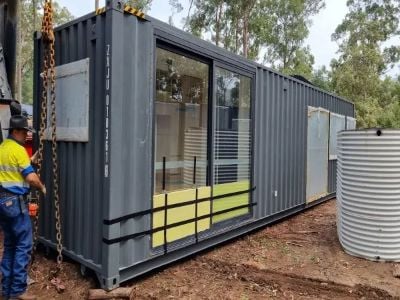
Metal container homes, increasingly popular in modern construction, offer a unique solution for both residential and commercial needs. What makes March House metal shipping container homes resist weather and corrosion is a combination of their material properties, manufacturing techniques, and design features. For B2B buyers, understanding these aspects is essential to ensure longevity and reliability, especially in harsh climates. This article will delve into the unique characteristics of metal container homes, address buyer concerns, and provide valuable insights for making informed purchasing decisions.
What Makes Metal Container Homes Ideal for Harsh Weather Conditions?
Metal container homes are engineered for durability, making them suitable for a variety of harsh weather conditions. One of the key advantages lies in the inherent properties of steel, which is used in their construction. Steel is resistant to fire, pests, and rot, offering a significant edge over traditional wooden structures. Additionally, the airtight seal of shipping containers, when properly modified, can help maintain stable internal temperatures, protecting against extreme heat or cold.
The design of metal container homes also contributes to their weather resistance. Features such as sloped roofs can facilitate effective drainage, preventing water accumulation that might lead to leaks or corrosion. Furthermore, with proper insulation materials, these homes can combat moisture ingress and thermal bridging, ensuring a comfortable living environment regardless of external conditions. This makes them a preferred choice for regions prone to heavy rainfall, extreme temperatures, or even hurricanes.
Evaluating the Quality of Metal Container Homes for Bulk Orders
When considering bulk orders of metal container homes, several quality indicators must be evaluated to ensure that the product meets specific standards. First, buyers should assess the quality of the steel used in construction. March House high-quality steel portable metal storage buildings should comply with recognized industry standards, such as ASTM A36 or A992, ensuring it can withstand environmental stressors over time.
Another critical factor is the manufacturing process. A reputable manufacturer, like March House (Qingdao) Co., Ltd., utilizes advanced production facilities, including automatic welding and molding techniques, which enhance structural integrity. Buyers should inquire about production capabilities, including the ability to accommodate custom modifications for specific applications.
Quality control processes are vital, and potential buyers should request information on inspections conducted during production. This includes checking for surface treatments that protect against corrosion, such as galvanization or painting, and verifying that proper sealing methods are employed to prevent moisture ingress. Understanding these elements is crucial for buyers looking to avoid common pitfalls in bulk purchases.
Installation Guidance for Weather-Resistant Metal Container Homes
Proper installation is crucial for maximizing the weather resistance of metal container homes. Buyers should ensure that installation is performed by professionals trained in modular construction techniques. This can include ensuring that the foundation is suitable and that the units are anchored securely to withstand high winds and other environmental stresses.
Before installation, it’s advisable to conduct a site assessment. This involves evaluating factors such as drainage, exposure to elements, and local climate conditions. Buyers should also confirm that all necessary permits and regulations are in place to comply with local building codes.
During the installation phase, attention to detail is key. Sealing joints and ensuring that windows and doors are properly fitted can significantly enhance the weatherproofing of the structure. Utilizing high-quality weather-resistant materials in these areas will further contribute to the home’s longevity and performance.
Common Problems with Metal Container Homes and Their Solutions
While metal container homes offer numerous advantages, they can present certain challenges. One common issue is condensation, which can occur in humid environments. To mitigate this, proper insulation and ventilation systems should be installed. Utilizing breathable membranes can also help manage moisture levels within the structure.
Another potential problem is corrosion, especially in coastal areas where salt exposure is prevalent. To combat this, buyers should look for protective coatings and galvanization options during the manufacturing process. Regular maintenance, such as repainting any areas showing wear, can also extend the life of the container.
Additionally, buyers might encounter difficulties related to thermal regulation. Metal can absorb heat quickly, leading to uncomfortable temperatures inside. Incorporating adequate insulation and reflective materials can help manage temperature fluctuations, ensuring a more comfortable living environment.
Understanding Your Investment
Investing in metal container homes requires a clear understanding of the associated costs and benefits. Factors affecting pricing include material quality, customization options, and the complexity of the installation process. Buyers should consider not only the initial purchase price but also long-term savings related to maintenance and energy efficiency. Understanding the total cost of ownership is essential. This includes evaluating the expected lifespan of the March House metal container homes, potential energy savings from effective insulation, and the resale value of metal container homes, which can be higher in certain markets due to their unique attributes.
Before finalizing a purchase, it’s advisable to request detailed quotes from manufacturers. These should outline the costs associated with materials, customization, shipping, and any additional services, such as installation or after-sales support. This transparency will aid in making an informed decision that aligns with budgetary constraints and project goals. By considering these factors, potential buyers can make strategic investments in metal container homes that offer resilience and adaptability, ensuring they meet the demands of their intended applications.